
mirror glass sheets cut to size
Understanding Bore Snap Gauges An Essential Tool in Modern Engineering In the realm of precision engineering, the importance of accurate measurements cannot be overstated. One of the key instruments employed for achieving precise internal measurements in cylindrical components is the bore snap gauge. This article will explore the bore snap gauge's design, application, and significance in various industries. A bore snap gauge is a specialized tool used to measure the internal diameters of holes, pipes, and other cylindrical sections. Its design typically features two arms, one that moves and one that is fixed. The movable arm has a contact point that expands to touch the inner surface of the bore, while the fixed arm provides a reference point for measurement. This device allows for instantaneous readings, making it invaluable for quality control processes in manufacturing. The functionality of a bore snap gauge lies in its ability to provide quick and accurate measurements without requiring extensive setup time. The tool can be easily inserted into the bore, and upon snapping the arms together, it effectively captures the internal dimensions . This of course has significant implications for production efficiency, reducing downtime related to measurement processes, and facilitating rapid inspection cycles. bore snap gauge In terms of industry application, bore snap gauges are used across various sectors, including automotive, aerospace, and general engineering. For instance, in the automotive industry, these gauges are crucial for inspecting engine components, such as cylinders and pistons, ensuring they meet strict tolerances that safeguard performance and reliability. Similarly, in aerospace, where precision is paramount, bore snap gauges help manufacturers adhere to rigorous standards that ensure the safety and functionality of aircraft components. One of the defining attributes of bore snap gauges is their versatility. They come in various sizes and designs, catering to different bore dimensions and depths. Digital versions are also available, providing electronic readouts for improved accuracy and data management. Such advancements in technology have broadened the scope of their application, allowing for more sophisticated measurement techniques. Despite their simplicity, proper usage and calibration of bore snap gauges are critical. Regular calibration ensures that the gauge provides reliable measurements, which is essential for maintaining quality standards. Operators must also be trained in the correct technique to avoid damaging the tool or the workpiece. In conclusion, bore snap gauges represent a pivotal component of the engineering toolkit, providing a blend of simplicity and precision. As industries continue to push the boundaries of manufacturing capabilities, these gauges will remain indispensable in ensuring quality, reliability, and accuracy. With their ease of use and adaptability across various applications, bore snap gauges are not just tools but are integral to the continuous improvement of manufacturing practices. Whether measuring the diameter of an engine cylinder or verifying the dimensions of intricate components, bore snap gauges exemplify the intersection of tradition and technology in the pursuit of excellence in engineering.
about
mirror glass sheets cut to size
Understanding the Ring Gauge A Key Tool for Precision Measurement In the world of manufacturing and engineering, precision is crucial. One of the essential tools used for ensuring precision in cylindrical parts is the ring gauge. This specialized measuring instrument plays an integral role in quality control, particularly in the production of items that require exact specifications, such as shafts, bearings, and other machined components. What is a Ring Gauge? A ring gauge is a cylindrical device that is used primarily for checking the external diameter of cylindrical workpieces. It typically comes in two forms the go gauge and the no-go gauge. The go gauge is designed to fit onto a part that meets the required specifications, while the no-go gauge should not fit onto the part if it exceeds the acceptable limits. This dual functionality helps manufacturers ensure that each component meets the necessary dimensional tolerances. The Importance of Ring Gauges Accurate measurements are critical in manufacturing processes, and any deviation from specified dimensions can lead to failures or malfunctions in machinery. This is where the ring gauge proves indispensable. By employing these gauges, inspectors can quickly and efficiently determine whether a part is within tolerances without the need for cumbersome micrometers or calipers. This not only speeds up the inspection process but also increases accuracy. Furthermore, using ring gauges can minimize human error in measurement since they provide a clear pass or fail outcome. This reliability is paramount in environments where precision is non-negotiable, such as aerospace, automotive, and medical equipment manufacturing. Types of Ring Gauges Ring gauges can be classified based on their design and functionality . The most common types include ring gauge is used for checking 1. Go and No-Go Ring Gauges As mentioned earlier, these gauges are used together to assess whether a part falls within the acceptable specifications. 2. Master Ring Gauges These are high-precision gauges used to calibrate other measuring instruments. They serve as a benchmark against which other gauges are measured. 3. Limit Gauges These gauges are used in specific situations where only one measurement is critical, allowing for quick assessments without the need for extensive measurements. 4. Snap Gauges Although not strictly a ring gauge, snap gauges closely resemble ring gauges and are used for measuring the thickness or overall dimensions of a component. The Process of Checking with a Ring Gauge The procedure for using a ring gauge is straightforward. The inspector begins by selecting the appropriate gauge based on the part in question. First, the go gauge is placed over the component; if it fits snugly, the part is within the acceptable range. Following this, the no-go gauge is tested. If the no-go gauge fits, the part is deemed out of specification. This simple two-step process allows for rapid assessments of many components in a production line. Conclusion In conclusion, ring gauges are invaluable tools in the sphere of precision measurement. Their simplicity, efficiency, and reliability make them essential for maintaining quality standards in manufacturing processes. By ensuring that components meet exact specifications, ring gauges help prevent costly errors and defects, ultimately contributing to the overall success of manufacturing operations. As industries continue to emphasize the need for precision, the role of ring gauges will remain pivotal in ensuring product integrity and performance.
-

High quality industrial productsagement

High quality industrial products
View Details -

Meet the diverse needs of customers

Meet the diverse needs of customers
View Details -

Strict quality control

Strict quality control
View Details -

Top raw materials

Top raw materials
View Details -

Trusted supplier

Trusted supplier
View Details
Our application

news and information
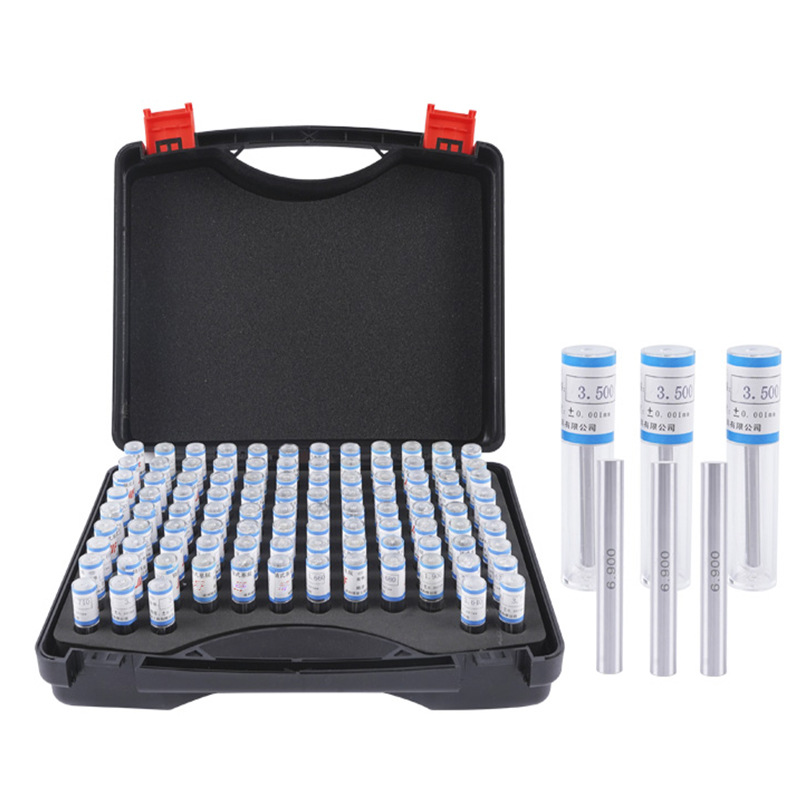
Vertical Y Strainer Design and Applications in Fluid Management Systems
Understanding Vertical Y Strainers Essential Components for Fluid Systems In the world of fluid mana
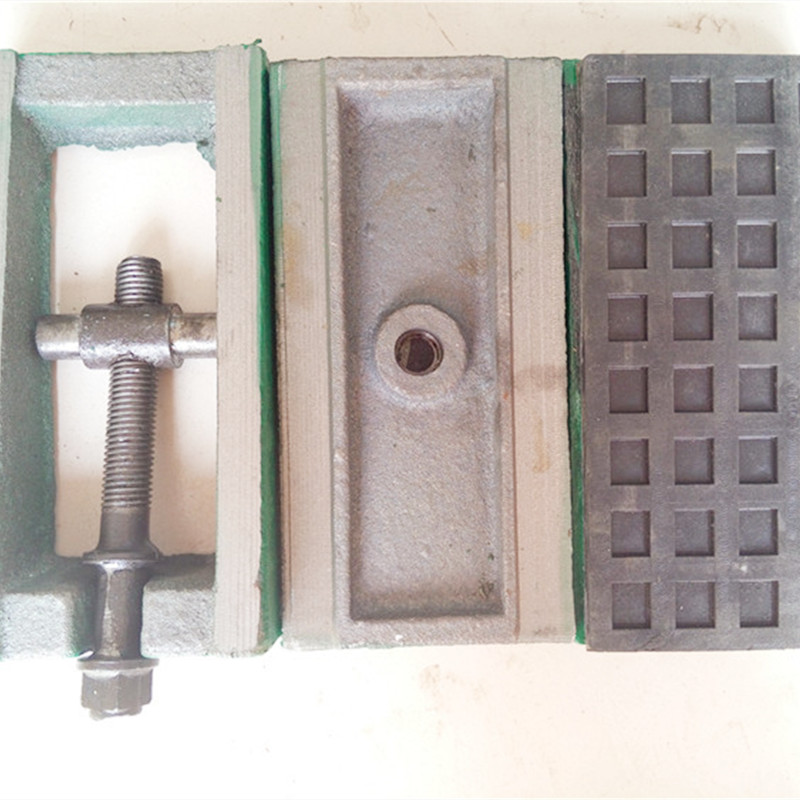
Versatile Welding Table Clamps for Secure and Efficient Metalworking Projects and Fabrication Tasks
The Importance of Welding Table Clamps in Metalworking Welding is a fundamental process in metalwork
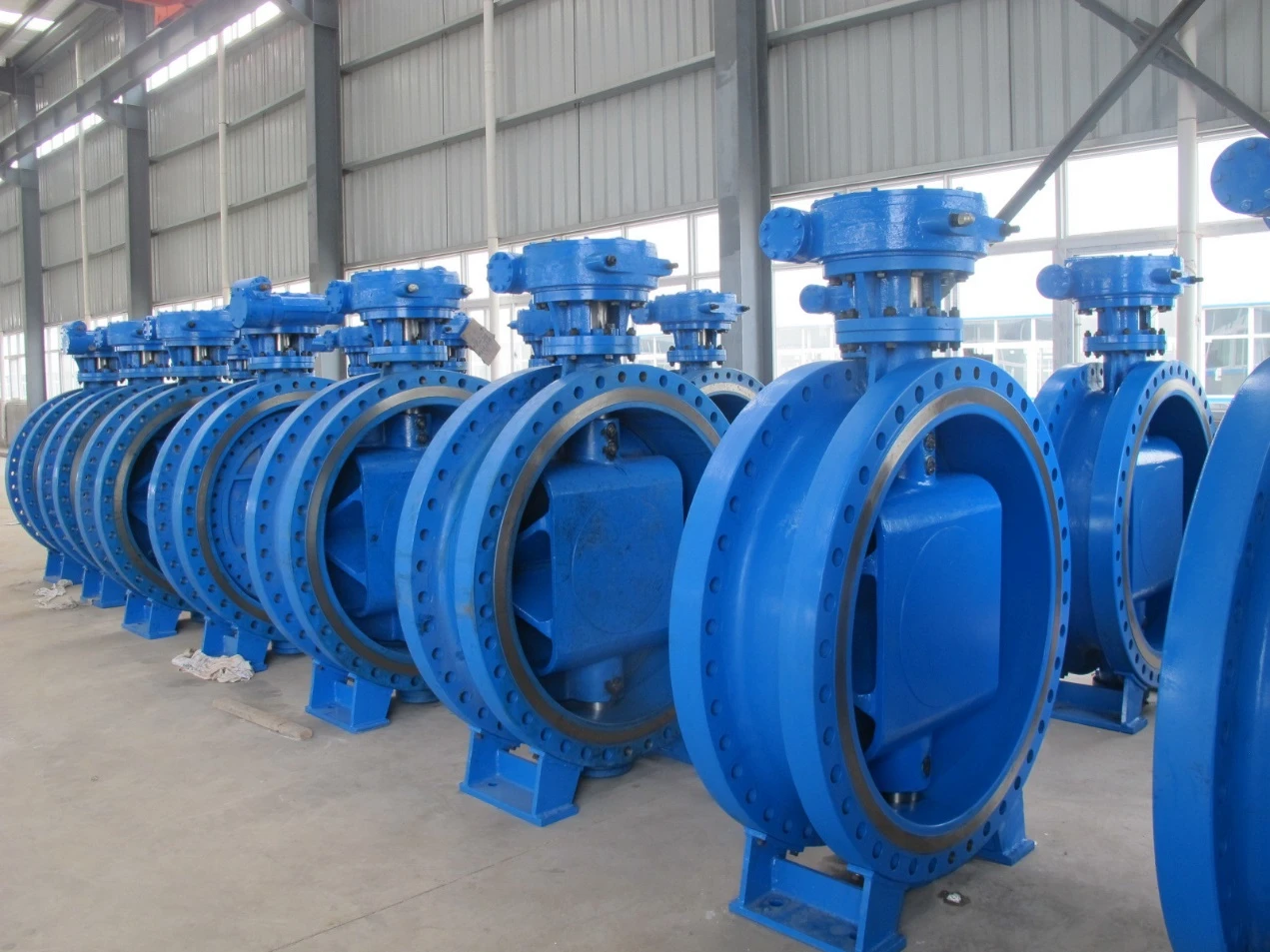
welding table 4x8
Welding Table 4x8 A Vital Tool for Every Welder In the world of metalworking, a sturdy and functiona
 English